Introduction
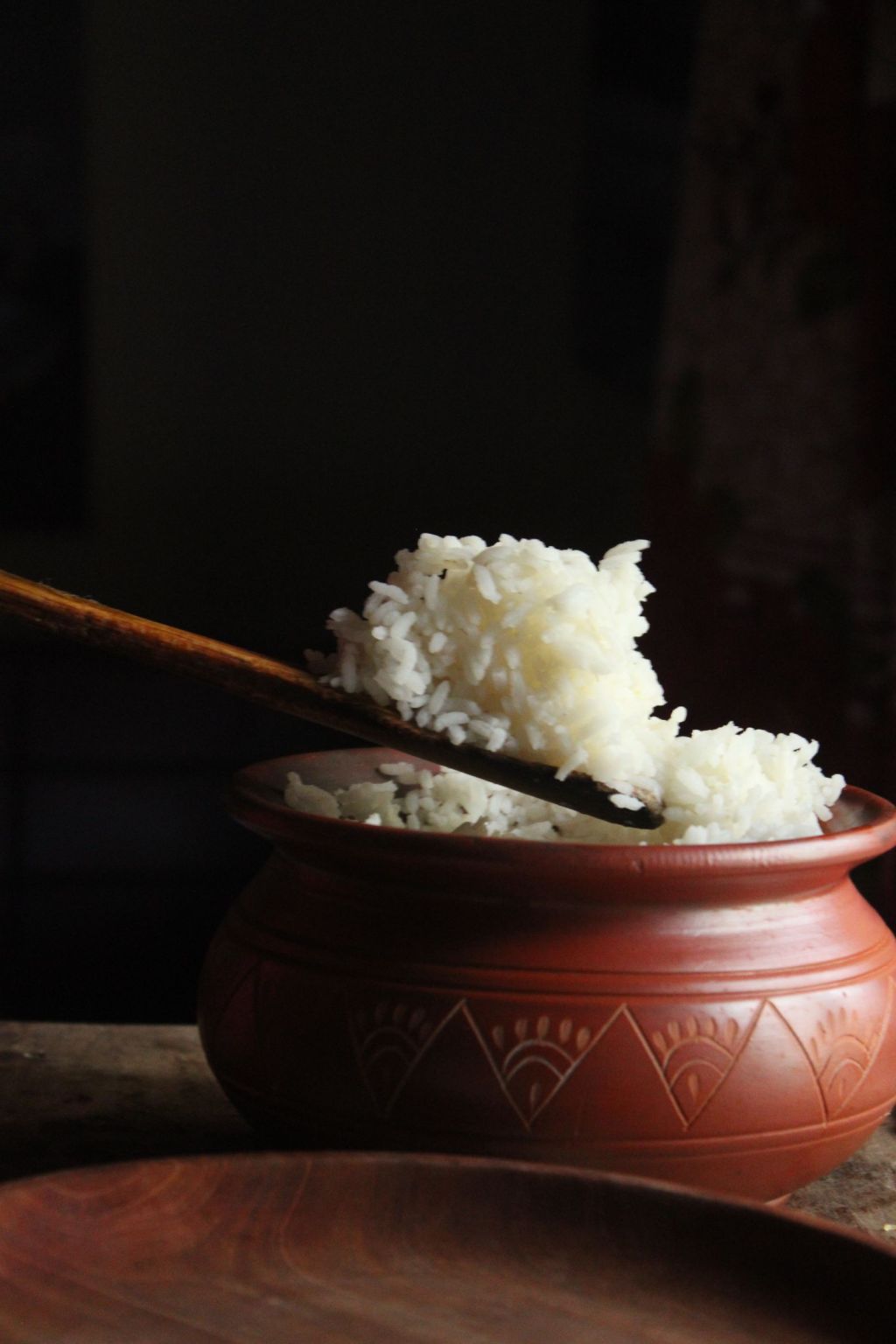
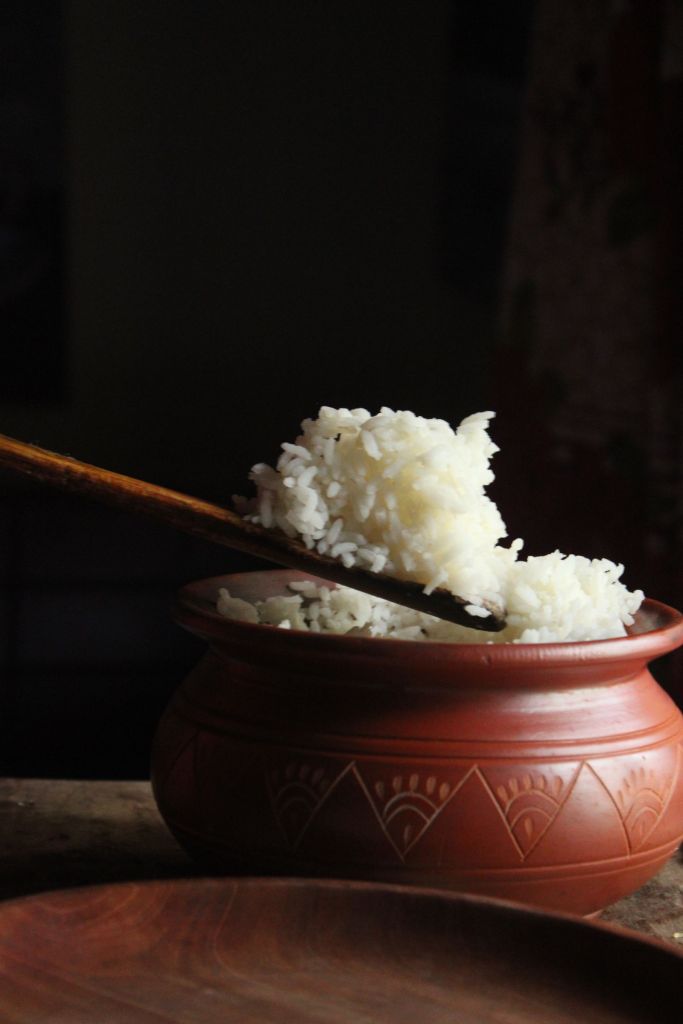
Ssal (쌀) is the Korean word for uncooked rice, and once it is cooked it becomes bap (밥) – a word that also simply means “meal.” Korean rice is short-grain japonica rice: plump, glossy and slightly sticky, so it holds together for chopsticks, gimbap and rice balls. Almost every Korean meal is built around a bowl of it, with soup and banchan on the side. If you are starting a Korean pantry, good rice is the first thing to buy.
Ssal at a Glance
What it is
- Korean short-grain (japonica) rice, eaten as steamed bap
Main ingredients
- Polished white rice; also brown rice, sweet (glutinous) rice and mixed grains
Taste
- Mild, faintly sweet, soft and slightly sticky
Main uses
- Plain bap, bibimbap, gimbap, fried rice, porridge, rice cakes
What Types of Ssal Are There?
Korean rice is grown mostly in paddies across the country’s plains, with new-crop rice (haessal) arriving in autumn. In stores abroad you will find Korean-style short-grain rice from Korea and from California. The main types:
- Baekmi (white rice): polished short-grain rice for everyday bap.
- Hyeonmi (brown rice): only the husk removed – nuttier and chewier, needs longer soaking.
- Chapssal (sweet/glutinous rice): very sticky; used for rice cakes and often mixed into bap. See our chapssal-garu guide.
- Japgok (mixed grains): rice cooked with beans, barley and millet – see our japgok guide.
What Does Korean Rice Taste Like?
Well-cooked Korean rice is shiny, tender and gently chewy, with grains that cling together without turning mushy. The flavor is mild and slightly sweet – a neutral base designed to balance salty, spicy and fermented side dishes. Compared with long-grain rice like jasmine or basmati, it is shorter, rounder, moister and stickier.
Popular Korean Dishes That Use Ssal
Bap
Plain steamed rice, served at almost every meal. Recipe below.
Gimbap
Rice seasoned with sesame oil and salt, rolled in seaweed with fillings.
Nurungji
The crispy scorched rice from the bottom of the pot – read our nurungji guide.
Juk
Soft rice porridge, simmered with water or broth until creamy.
Easy Stovetop Bap Recipe (Serves 3–4)
Ingredients
- 2 cups (about 400 g) Korean short-grain white rice
- 2 1/4 cups (530 ml) water, plus water for rinsing
Instructions
- Put the rice in a bowl, cover with cold water, swirl gently with your hand and pour off the cloudy water. Repeat 3–4 times until the water is only slightly cloudy.
- Drain, then soak the rice in the measured 2 1/4 cups water in a heavy pot for 30 minutes.
- Bring to a boil over medium-high heat, uncovered. When it boils and the water level drops to the surface of the rice, stir once from the bottom.
- Cover tightly, turn the heat to the lowest setting and cook for 13–15 minutes. Do not lift the lid.
- Turn off the heat and let the rice steam, covered, for 10 minutes.
- Fluff the rice with a paddle, folding from the bottom, and serve in bowls.
Tip: New-crop rice holds more moisture, so use a little less water (about 1:1). Older rice or brown rice needs a little more water and a longer soak. A rice cooker works too – use the “white rice” line on the inner pot.
Where to Buy Korean Short-Grain Rice
United States
As an Amazon Associate, I earn from qualifying purchases.
Amazon
Search Korean short-grain rice on Amazon
Search Korean sweet rice on Amazon
H-Mart
Search rice on H-Mart
Canada
Search Korean short-grain rice on Amazon.ca
Europe
Search Korean short-grain rice on Amazon.co.uk
How to Store Ssal and Cooked Rice
Store uncooked rice in an airtight container in a cool, dark place, away from moisture and pantry bugs; in warm climates the fridge keeps it fresher. Cooked rice should be cooled quickly and refrigerated within 1–2 hours, then eaten within 1–2 days. For longer storage, freeze single portions while still warm in airtight containers or wrap, and reheat until steaming hot.
Ssal FAQ
Is Korean rice the same as sushi rice?
Both are short-grain japonica rice and can be used interchangeably. “Sushi rice” in Western stores is often the same kind of grain.
Is Korean rice the same as sticky rice?
No. Everyday Korean rice is slightly sticky; “sticky” or glutinous rice (chapssal) is a different variety that is much stickier.
Do you have to wash Korean rice?
Rinsing is traditional and removes surface starch for a cleaner taste and less gummy texture. Some Koreans save the second rinse water (ssal-ddeumul) for soups and stews.
What is the water ratio for Korean rice?
About 1 part rice to 1.1–1.2 parts water by volume for white rice after rinsing, adjusted for new-crop or older rice.
Conclusion
Ssal may look simple, but a bowl of well-cooked Korean rice is the foundation of every Korean meal. Rinse, soak, steam and rest – then pair it with your favorite banchan or a quick sauce like our dallae-jang.


Leave a Reply