Introduction
Ganjang (간장) is the Korean word for soy sauce and one of the most fundamental ingredients in Korean cuisine. It is made from fermented soybeans and salt water and has been used in Korean cooking for centuries.
Korean soy sauce is known for its deep umami flavor and is used to season soups, marinades, dipping sauces, and stir-fried dishes. One thing that surprises many home cooks is that Korean kitchens usually keep more than one kind of ganjang, each with a different job.
Ganjang at a Glance
- What it is: Korean soy sauce made from fermented soybeans and salt
- Main types: guk-ganjang (soup soy sauce), jin-ganjang (dark soy sauce) and yangjo-ganjang (naturally brewed soy sauce)
- Taste: salty and savory with deep umami
- Used in: bulgogi, japchae, soups, braised dishes and dipping sauces
What is Ganjang Made Of?
Traditional ganjang is produced from fermented soybean blocks called meju. These soybean blocks are naturally fermented and then soaked in salt water.
During the fermentation process, the liquid becomes soy sauce while the remaining solid becomes soybean paste known as doenjang.
Modern commercial soy sauce is usually brewed from soybeans, often with wheat, using a faster and more controlled fermentation. Traditional ganjang is still valued for its deeper, more complex flavor.
Types of Korean Soy Sauce
Guk-ganjang (Soup Soy Sauce)
Guk-ganjang is the traditional type made from meju. It is lighter in color but saltier than regular soy sauce, so it seasons soups and seasoned vegetables (namul) without darkening them. Use it in small amounts.
Jin-ganjang (Dark Soy Sauce)
Jin-ganjang is darker and slightly sweeter. It is the go-to choice for braised dishes, stir-fries and marinades such as bulgogi and jangjorim, where a rich brown color is wanted.
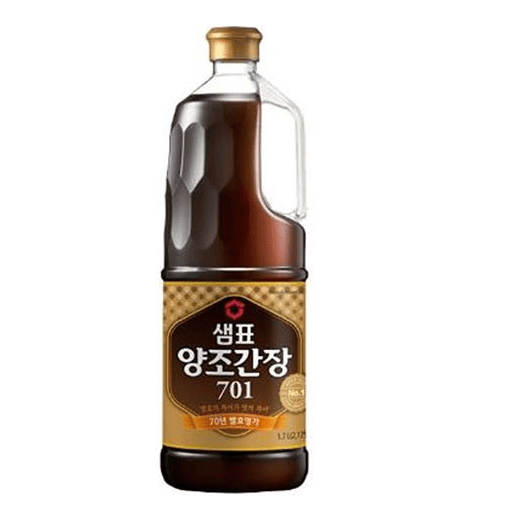
Yangjo-ganjang (Naturally Brewed Soy Sauce)
Yangjo-ganjang is brewed by fermentation and is the most all-purpose type. It works well for dipping sauces, dressings and everyday cooking. If a Korean recipe simply says “soy sauce,” a naturally brewed soy sauce is a safe choice.
What Does Ganjang Taste Like?
Ganjang has a rich savory taste with deep umami and a clear saltiness. Guk-ganjang tastes saltier and more fermented, while jin-ganjang is rounder and slightly sweet.
Because of its strong flavor, only a small amount is usually needed to season a dish.
Popular Korean Dishes That Use Ganjang
Bulgogi
Bulgogi is a famous Korean grilled beef dish marinated with soy sauce, garlic, sugar, and sesame oil. Ganjang provides the main savory flavor in the marinade.

Japchae
Japchae is a Korean stir-fried glass noodle dish made with vegetables and soy sauce seasoning. Ganjang adds a balanced salty-sweet flavor to the noodles.

Korean Egg Soy Sauce Rice (Ganjang Gyeran Bap)
This simple Korean comfort food combines rice, fried egg, sesame oil, and soy sauce. Ganjang gives the dish its savory flavor. The full recipe is below.

Soy Sauce Braised Beef (Jangjorim)
Jangjorim is a Korean side dish of beef braised in soy sauce, often with boiled eggs or quail eggs. The ganjang-based broth gives it a deep savory taste.

Easy Ganjang Gyeran Bap Recipe (Serves 1)
Soy sauce egg rice is one of the quickest Korean comfort meals, ready in about 5 minutes.
Ingredients
- 1 bowl hot cooked rice
- 1–2 eggs
- 1 tbsp soy sauce (jin-ganjang or yangjo-ganjang), plus more to taste
- 1 tsp sesame oil
- 1 tsp butter (optional)
- Toasted sesame seeds, chopped green onion and crumbled gim (roasted seaweed) for topping
Instructions
- Fry the egg. Fry the egg in a little oil until the white is set and the edges are crisp. Keep the yolk runny if you like.
- Prepare the rice. Put the hot rice in a bowl and add the butter if using, so it melts into the rice.
- Season. Place the egg on top and drizzle with soy sauce and sesame oil.
- Top and mix. Add sesame seeds, green onion and gim. Mix everything together and taste, adding a little more soy sauce if needed.
Tip: Serve it with a side of kimchi to balance the rich, savory flavor.
Where to Buy Ganjang
Look for “Korean soy sauce,” “soup soy sauce” (guk-ganjang) or “naturally brewed soy sauce” (yangjo-ganjang) in Korean grocery stores and online.
United States
As an Amazon Associate, I earn from qualifying purchases.
Amazon
https://www.amazon.com/s?k=korean+soy+sauce
Korean soup soy sauce on Amazon
https://www.amazon.com/s?k=korean+soup+soy+sauce
H-Mart
https://www.hmart.com/search?type=product&q=soy sauce
Walmart
https://www.walmart.com/search?q=korean+soy+sauce
Canada
Amazon Canada
https://www.amazon.ca/s?k=korean+soy+sauce
H-Mart Canada
https://www.hmart.ca
Europe
Amazon UK
https://www.amazon.co.uk/s?k=korean+soy+sauce
Sous Chef
https://www.souschef.co.uk/search?q=korean+soy+sauce
How to Store Ganjang
Keep unopened ganjang in a cool, dark place. After opening, close the bottle tightly; refrigerating it helps keep the flavor fresh for longer, especially in warm climates. Follow the storage note on the label.
Ganjang FAQ
Is Korean soy sauce different from Japanese soy sauce?
Everyday Korean brewed soy sauce (yangjo-ganjang) is similar to Japanese soy sauce and they can usually replace each other. Korean soup soy sauce (guk-ganjang) is different: it is lighter in color, saltier and more fermented, so use less of it.
Which ganjang should I buy first?
If you buy only one, choose a naturally brewed soy sauce (yangjo-ganjang). Add a bottle of guk-ganjang later if you cook a lot of Korean soups and namul.
Can I use regular soy sauce instead of guk-ganjang?
Yes, but your soup will be darker and you may need a little salt, since regular soy sauce is less salty than guk-ganjang.
Conclusion
Ganjang is Korean soy sauce made from fermented soybeans and salt water. Knowing the difference between guk-ganjang, jin-ganjang and yangjo-ganjang makes Korean recipes much easier to follow. Next, learn how ganjang is used with gochujang and yangnyeom sauce.


Leave a Reply