Introduction
Gochujang is one of the most essential ingredients in Korean cuisine. It is a thick fermented red chili paste that adds spicy, sweet, and savory flavor to many Korean dishes. Made from Korean chili powder, fermented soybeans, rice, and salt, gochujang is known for its deep umami taste and rich red color.
Because of its unique flavor, gochujang is widely used in Korean soups, marinades, sauces, and stir-fried dishes. It is considered one of the fundamental seasonings in Korean cooking.
Gochujang at a Glance
- What it is: A thick, fermented Korean red chili paste
- Main ingredients: Gochugaru (chili powder), glutinous rice, fermented soybean powder, and salt; many brands add rice or corn syrup
- Taste: Spicy, slightly sweet, and deeply savory with fermented umami
- Main uses: Bibimbap, tteokbokki, jeyuk bokkeum, stews, marinades, and dipping sauces
What is Gochujang Made Of?
Traditional gochujang is made using a fermentation process. The key ingredients include Korean chili pepper powder (gochugaru), fermented soybean powder, rice or glutinous rice, and salt.
During fermentation, these ingredients develop complex flavors that create the distinctive taste of gochujang. Unlike many chili sauces, gochujang is thick and deeply savory because fermentation enhances both its aroma and flavor.
Modern commercial gochujang may also include sweeteners such as rice syrup or corn syrup to balance the spiciness.
What Does Gochujang Taste Like?
Gochujang has a balanced flavor that combines spicy heat, mild sweetness, and deep umami. The fermentation process gives it a richer taste compared to ordinary chili sauces.
Instead of being purely spicy, gochujang has a layered flavor profile. It enhances dishes by adding both heat and depth, which is why it is used in so many Korean recipes.
Popular Korean Dishes That Use Gochujang
Bibimbap (Korean Mixed Rice Dish)
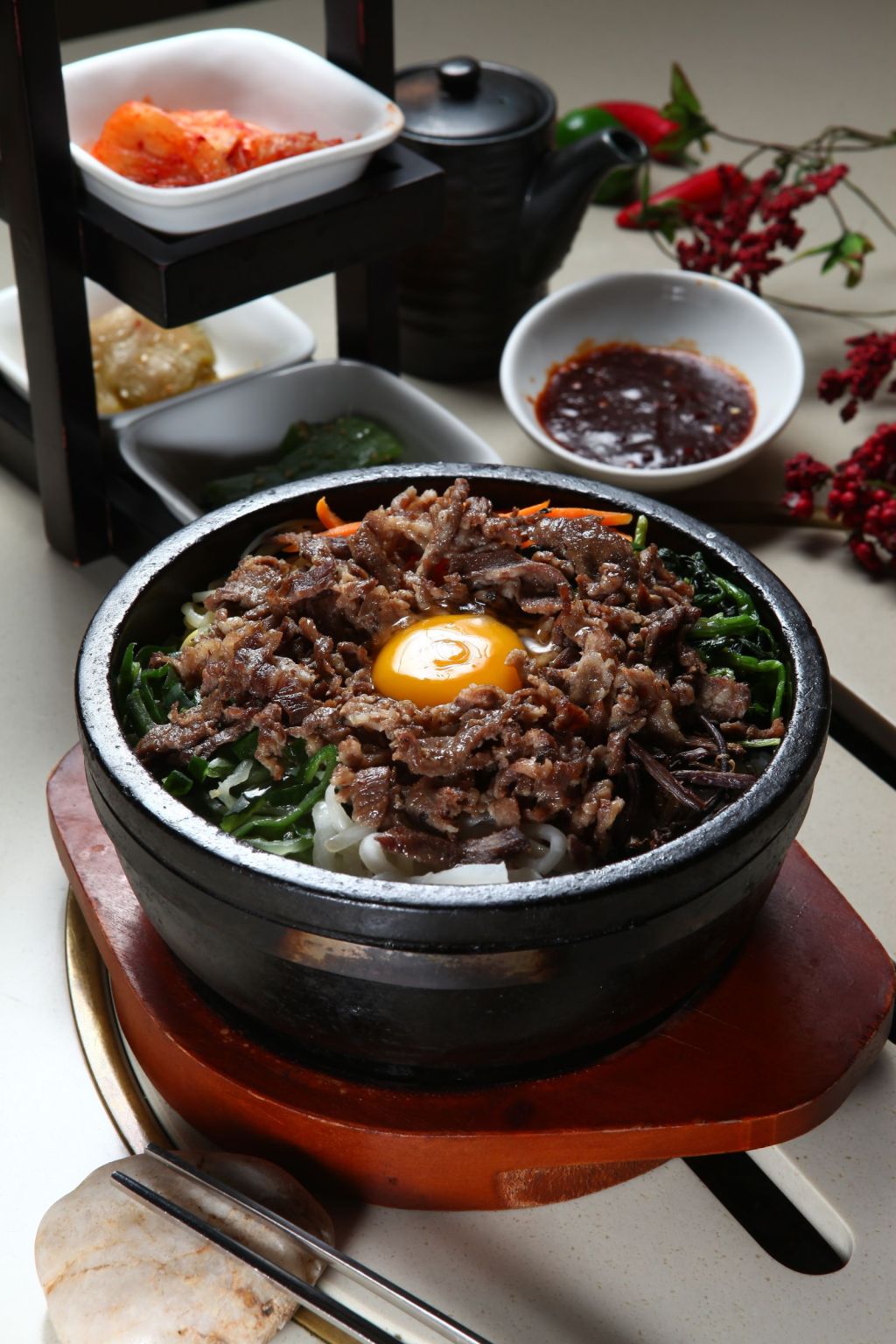
Bibimbap is a popular Korean rice dish topped with vegetables, meat, and egg. A sauce made with gochujang is usually added before mixing the ingredients together. The chili paste provides the dish with its signature spicy and savory flavor.

Tteokbokki (Spicy Korean Rice Cakes)
Tteokbokki is one of Korea’s most famous street foods. It consists of chewy rice cakes cooked in a sweet and spicy red sauce made primarily from gochujang. The sauce gives the dish its bold color and strong flavor. See our guide to tteokbokki sauce for an easy recipe.

Jeyuk Bokkeum (Spicy Stir-Fried Pork)
Jeyuk bokkeum is a Korean stir-fried pork dish marinated with gochujang, garlic, soy sauce, and other seasonings. The chili paste creates a rich spicy sauce that coats the pork and vegetables.

Gochujang Dipping Sauce for Korean BBQ
Gochujang is often mixed with sesame oil, garlic, vinegar, or sugar to create dipping sauces such as chogochujang and ssamjang. These sauces are commonly served with Korean barbecue meats and fresh vegetables.

How Koreans Use Gochujang
In Korean households, gochujang is used in many everyday dishes. It is commonly added to stews, mixed into sauces, or used as a marinade for meat and seafood.
Because it provides both color and flavor, a small amount of gochujang can significantly change the taste of a dish. This versatility is why it is considered a staple ingredient in Korean kitchens.
Easy Gochujang Bibimbap Sauce Recipe
This classic bibimbap sauce (bibimjang) takes 5 minutes and makes enough for 2–3 bowls. It is also great on rice bowls, noodles, and roasted vegetables.
Ingredients
- 2 tablespoons gochujang
- 1 tablespoon sesame oil
- 1 tablespoon sugar or honey
- 1 tablespoon water
- 1 teaspoon rice vinegar
- 1 teaspoon minced garlic
- 1 teaspoon toasted sesame seeds
Instructions
- Add the gochujang, sugar or honey, water, vinegar, and garlic to a small bowl.
- Stir until smooth and the sugar has dissolved.
- Mix in the sesame oil and sesame seeds.
- Taste and adjust: more water for a thinner sauce, more sugar for sweetness, or more gochujang for heat.
- Spoon over a bowl of rice with vegetables, meat, and a fried egg, then mix everything together.
Tip: Add the sesame oil last so its nutty aroma stays fresh. The sauce keeps in a sealed jar in the fridge for about a week.
How to Store Gochujang
After opening, gochujang should usually be stored in the refrigerator. Proper storage helps maintain its flavor and freshness for a longer period.
Since gochujang is fermented, it naturally develops deeper flavors over time, which makes it suitable for long-term storage.
Where to Buy Gochujang
Gochujang has become widely available around the world. Many international grocery stores and online retailers sell authentic Korean chili paste made in Korea. Below are some reliable places where people in different regions can buy gochujang.
United States
In the United States, gochujang is commonly sold at Korean supermarkets and large online retailers.
As an Amazon Associate, I earn from qualifying purchases.
- H‑Mart Online Store – One of the largest Korean supermarket chains in North America that sells many Korean ingredients online.
- Amazon Gochujang Products – Various Korean brands such as CJ, Sempio, and Chung Jung One are widely available online.
- Walmart Gochujang Products – Large retailers in the US also sell Korean chili paste through their grocery section.
These stores often carry well-known Korean brands such as CJ Haechandle, Chung Jung One, and Sempio, which are commonly used in Korean households.
Canada
In Canada, Korean ingredients are usually available through Asian supermarkets and online grocery retailers.
Popular places include:
- H-Mart Canada
- Amazon Canada
- Asian grocery stores in major cities such as Toronto and Vancouver
These retailers usually stock imported Korean products including gochujang and other fermented sauces.
Europe
In Europe, gochujang can be purchased from Asian grocery stores and specialty food websites.
Examples include:
- BienManger Korean Gochujang – European gourmet grocery website selling Korean chili paste.
- Pinoys Asian Grocery Europe – Online Asian grocery store delivering Korean ingredients in Europe.
These online shops ship Korean ingredients across many European countries.
Global Online Stores
Some Korean food retailers ship internationally.
- Gochujar Global Korean Market – An online Korean grocery store that ships Korean food products internationally.
These services make it possible for people around the world to try authentic Korean ingredients.
Gochujang FAQ
Is gochujang very spicy?
Gochujang has a moderate, slow-building heat that is balanced by sweetness and umami, so it is usually milder than many hot sauces. Many brands label their tubs by heat level, such as mild, medium hot, or very hot, so you can choose the spice you prefer.
What is the difference between gochujang and gochugaru?
Gochugaru is dried Korean chili flakes or powder, while gochujang is a fermented paste made with gochugaru, rice, soybean powder, and salt. Gochugaru adds clean heat and color, and gochujang adds heat plus sweetness, thickness, and fermented depth. They are not one-to-one substitutes.
What can I substitute for gochujang?
There is no exact substitute, but a mix of red miso, gochugaru (or another chili powder), and a little sugar or honey comes close in stews and marinades. Sriracha can stand in for heat in a pinch, though it is thinner and lacks the fermented flavor.
Does gochujang go bad?
Because it is salty and fermented, gochujang keeps for a long time in the refrigerator after opening, often for many months. It may darken and dry slightly on top, which is normal, but discard it if you see mold or notice an off smell. Always use a clean spoon to scoop it out.
Conclusion
Gochujang is a traditional Korean fermented chili paste made from chili powder, soybeans, rice, and salt. It has a thick texture and a complex flavor that combines spiciness, sweetness, and umami.
From bibimbap and tteokbokki to marinades and dipping sauces, gochujang plays an important role in Korean cooking. For anyone interested in Korean ingredients, understanding gochujang is an essential first step. Next, explore its fermented partner doenjang or the fried chicken favorite yangnyeom sauce.


Leave a Reply