Introduction
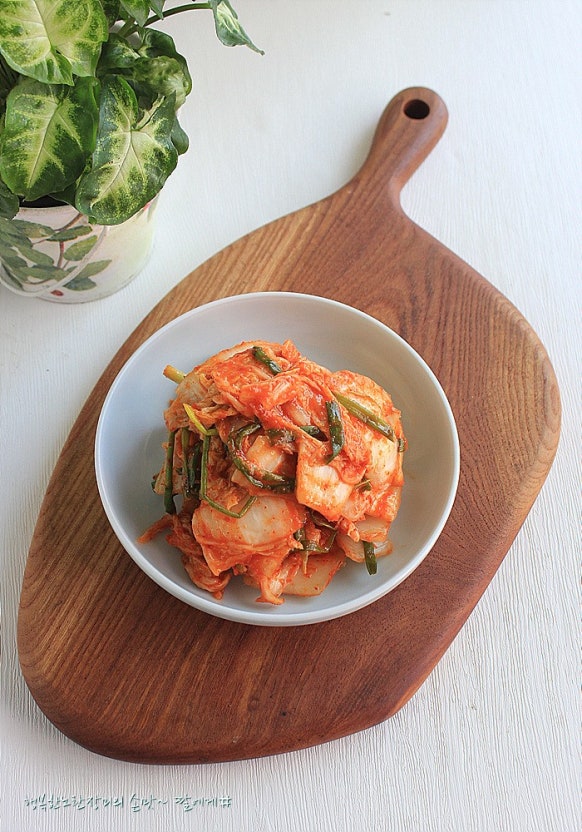
Kimchi (김치) is one of the most famous foods in Korean cuisine. It is a traditional fermented vegetable dish most commonly made with napa cabbage, Korean chili pepper flakes, garlic, ginger, and salt. Kimchi has been a staple food in Korea for centuries and is known for its bold flavor and probiotic fermentation.
Today kimchi is eaten all over the world and is considered one of the most iconic Korean foods.
Kimchi at a Glance
- What it is: Korea’s traditional fermented vegetable side dish
- Main ingredients: salted napa cabbage, gochugaru, garlic, ginger, green onion and salted seafood
- Taste: spicy, salty, tangy and full of umami; more sour as it ages
- Used in: served with almost every meal, and cooked into fried rice, stew, pancakes and noodles
What is Kimchi Made Of?
Traditional kimchi is made using napa cabbage that has been salted and mixed with seasoning ingredients. These ingredients usually include Korean chili pepper flakes (gochugaru), garlic, ginger, salted seafood such as fish sauce or saeujeot (salted shrimp), and salt.
After the ingredients are mixed, the kimchi is left to ferment. During fermentation beneficial bacteria develop and create the sour and complex flavor that kimchi is known for.
Types of Kimchi
Baechu Kimchi (Napa Cabbage Kimchi)
The classic red kimchi most people picture. It is the type used in most cooked kimchi dishes.
Kkakdugi (Cubed Radish Kimchi)
Made with cubes of Korean radish, kkakdugi is crunchy and juicy. It is a classic partner for Korean soups.
Oi Sobagi (Stuffed Cucumber Kimchi)
Cucumbers are split and stuffed with a spicy seasoning. It is fresh and crisp and best eaten within a short time.
Baek Kimchi (White Kimchi)
A mild kimchi made without chili flakes. It is refreshing and a good choice for people who do not eat spicy food.
What Does Kimchi Taste Like?
Kimchi has a unique flavor that combines sourness, spice, saltiness, and umami. Fresh kimchi tends to be crunchy and mildly spicy, while fermented kimchi becomes more sour and deeper in flavor.
Because fermentation continues over time, kimchi changes its taste as it ages.
Popular Korean Dishes That Use Kimchi
Kimchi Fried Rice (Kimchi Bokkeumbap)
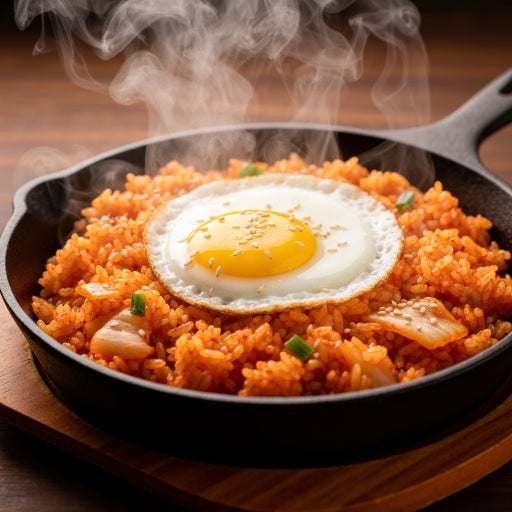
Kimchi fried rice is a classic Korean comfort food. Chopped kimchi is stir-fried with rice, vegetables, and often topped with a fried egg. The fermented kimchi adds a deep savory flavor to the dish. The full recipe is below.
Kimchi Stew (Kimchi Jjigae)
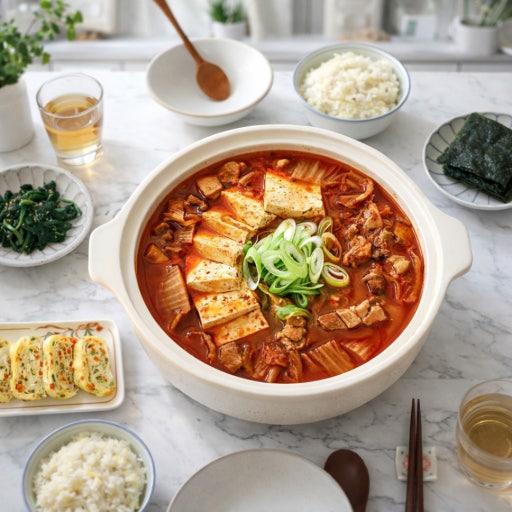
Kimchi jjigae is a traditional Korean stew made with aged kimchi, tofu, pork, and chili paste. The fermented cabbage gives the stew a rich spicy broth.
Kimchi Pancake (Kimchi Jeon)
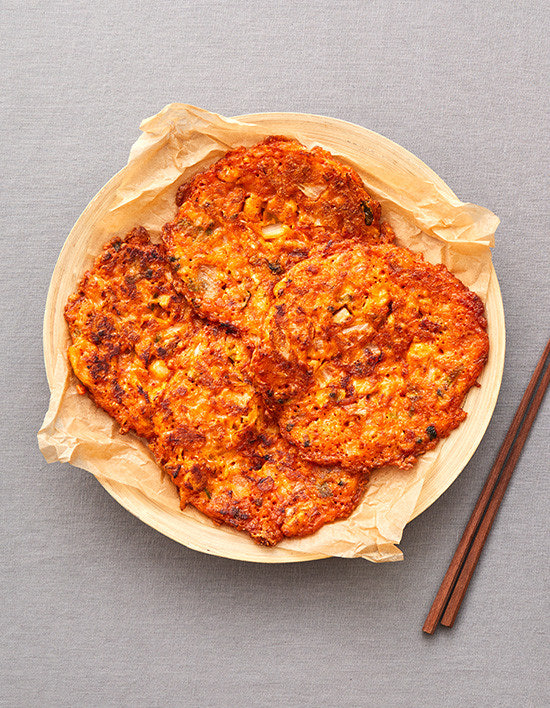
Kimchi jeon is a crispy Korean pancake made by mixing chopped kimchi with flour batter and frying it in oil. It is commonly served as a snack or appetizer.
Kimchi Ramyeon
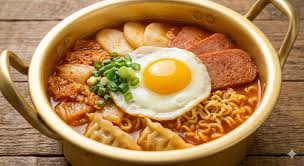
Kimchi is often added to Korean instant noodles (ramyeon) to create a spicy and sour flavor that enhances the noodle soup.
Easy Kimchi Fried Rice Recipe (Serves 2)
Kimchi fried rice is the best way to use kimchi that has become a little too sour to eat on its own. It is ready in about 15 minutes.
Ingredients
- 2 cups cooked rice (day-old rice works best)
- 1 cup well-fermented kimchi, chopped, plus 2 tbsp kimchi juice
- 1/2 onion, diced
- 100 g (about 3.5 oz) pork belly, bacon or ham, diced (optional)
- 1 tbsp cooking oil
- 1 tsp soy sauce and 1 tsp sugar
- 1 tsp gochugaru or gochujang (optional, for extra heat)
- 1 tsp sesame oil
- 2 eggs
- Chopped green onion, toasted sesame seeds and crumbled gim for topping
Instructions
- Cook the base. Heat the oil in a large pan over medium heat. Cook the onion (and meat, if using) until the onion softens and any meat is cooked through.
- Fry the kimchi. Add the chopped kimchi and stir-fry for 3–4 minutes, until it softens and smells fragrant.
- Add the rice. Add the rice, kimchi juice, soy sauce, sugar and gochugaru or gochujang. Stir-fry, breaking up any clumps, until everything is evenly red and hot.
- Finish. Turn off the heat and stir in the sesame oil. Fry the eggs separately, place one on each plate of rice, and add the toppings.
Tip: The sugar is not there to make the rice sweet; a small amount balances the sourness of older kimchi.
Where to Buy Kimchi
Kimchi is now widely available around the world. Many Korean supermarkets and online retailers sell authentic Korean kimchi. Look for it in the refrigerated section.
United States
As an Amazon Associate, I earn from qualifying purchases.
Amazon
https://www.amazon.com/s?k=kimchi
H-Mart (Korean supermarket chain)
https://www.hmart.com/search?type=product&q=kimchi
Walmart
https://www.walmart.com/search?q=kimchi
Canada
Amazon Canada
https://www.amazon.ca/s?k=kimchi
H-Mart Canada
https://www.hmart.ca
Asian grocery stores in cities such as Toronto and Vancouver also sell imported Korean kimchi.
Europe
Amazon UK
https://www.amazon.co.uk/s?k=kimchi
Sous Chef (UK Asian grocery store)
https://www.souschef.co.uk/search?q=kimchi
Oriental Mart (UK Asian supermarket)
https://www.orientalmart.co.uk/search?type=product&q=kimchi
Asia Market (European Asian food store)
https://www.asiamarket.ie/?s=kimchi
How to Store Kimchi
Kimchi should be stored in the refrigerator to maintain its freshness and control the fermentation process. Cold temperatures slow down fermentation and help preserve the flavor and texture of the kimchi.
After opening, keep kimchi in an airtight container to prevent strong odors from spreading in the refrigerator. Most store-bought kimchi containers can be sealed tightly, but transferring it to a glass container with a lid can help preserve freshness even longer.
Kimchi continues to ferment over time. Fresh kimchi usually tastes mild and crunchy, while older kimchi becomes more sour and stronger in flavor. Both fresh and aged kimchi are commonly used in Korean cooking.
If kimchi becomes too sour to eat as a side dish, it can still be used for cooking. Aged kimchi is often used in dishes such as kimchi stew, kimchi fried rice, and kimchi pancakes.
Kimchi FAQ
How long does kimchi last in the fridge?
Refrigerated kimchi keeps for a long time because it is fermented, but it gets more sour every week. Follow the date on store-bought jars, use a clean utensil every time, and throw it out if you see mold or it smells unpleasant rather than sour.
Is kimchi vegan?
Most traditional kimchi is not vegan because it contains fish sauce or salted shrimp. Vegan kimchi made without seafood is widely sold, so check the ingredient list.
Why is my kimchi fizzy or bubbling?
Bubbles and a slight fizz are a normal sign of active fermentation. Open the jar slowly over a sink, because the gas can push juice out.
Is kimchi very spicy?
Most red napa cabbage kimchi is moderately spicy. If you prefer no heat, try baek kimchi (white kimchi), which is made without chili flakes.
Conclusion
Kimchi is a traditional Korean fermented vegetable dish made with napa cabbage, chili pepper flakes, garlic, and salt. Known for its spicy and sour flavor, kimchi has been a central part of Korean cuisine for centuries. Enjoy it fresh as a side dish, or cook older kimchi into fried rice and stew. To learn more about the ingredients behind it, read our guides to gochugaru and saeujeot.


Leave a Reply